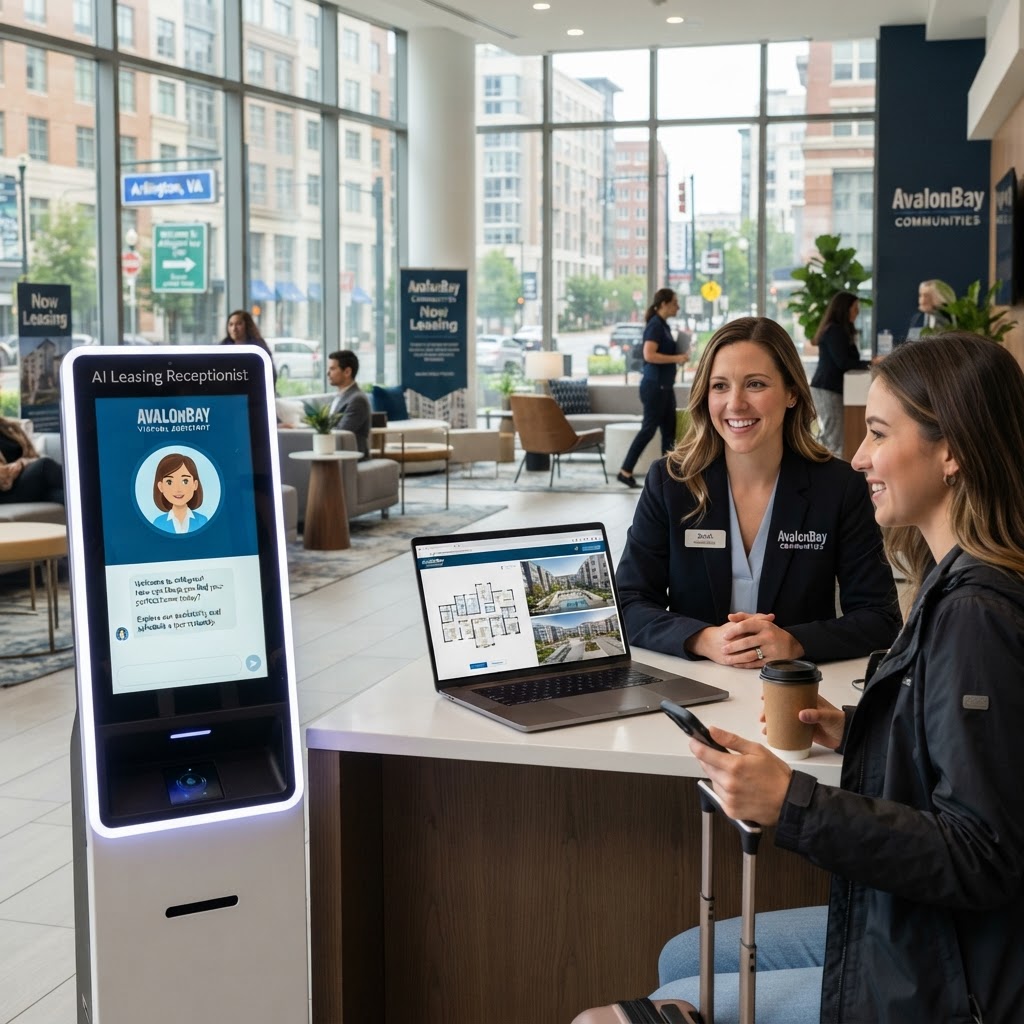
For multifamily operators in Arlington, Virginia, capturing renter demand has never required more precision. Along the Rosslyn-Ballston corridor, down through Pentagon City, and across National Landing, institutional communities managed by operators like AvalonBay compete directly for an influx of high-earning corporate transplants, defense contractors, and tech professionals.
With Arlington median rents hovering around $2,700 per month according to Realtor.com, and prime one-bedroom apartments in Pentagon City reaching upwards of $2,800 on Rent.com, the economic stakes for every signed lease are immense. Yet as vacancy shifts across Class A assets and concession packages reappear throughout Northern Virginia, onsite leasing offices face a quiet operational drain: the gap between when an out-of-market prospect reaches out and when a team actually responds.
The Relocating Renter’s Clock
Relocating renters behave differently than local movers. A software engineer transferring from Seattle or a defense analyst moving from Texas usually conducts their search across time zones during lunch hours, late evenings, or weekend blocks. They are comparing four or five flagship high-rises simultaneously.
When these prospects call an Arlington leasing office, they rarely leave voicemails. If they hit a rigid IVR phone tree or fill out a generic website contact form that vanishes into an unmonitored inbox, they do not wait 24 hours for a follow-up. They simply call the next community down Wilson Boulevard. In institutional multifamily, industry data consistently shows that 30% to 50% of inbound leasing calls go unanswered during tour hours, administrative handoffs, and after-hours periods. At $30,000 or more in annual contract value per unit, missing even two qualified relocatees a month creates a substantial drag on net operating income.
The Problem with 'Dead' Property Technology
The fundamental issue is not staffing effort; it is that conventional property management stacks are full of static, lifeless software. Standard PMS platforms rely on dead forms, dormant ticketing queues, and passive voicemail boxes that force active prospects to wait.
Leasing, however, consists of living moments: a relocating executive calling at 7:30 PM with specific questions about parking clearance and EV charging, a live inquiry about immediate move-in dates, or an application status waiting on income verification. When systems remain inert until an onsite agent manually sifts through the queue the following morning, the momentum dissolves.
Turning Inquiries into Real-Time Momentum
Modern voice AI receptionists bridge this divide by making property management workflows responsive the second an interaction occurs. Rather than acting as a glorified answering machine, an intelligent voice layer answers every inbound call instantly, engages in context-aware conversations about specific floor plans, pricing, and pet policies, and dynamically schedules verified self-guided or agent-led tours.
More importantly, it moves work through statuses without human friction. When an out-of-town prospect calls, the conversation is transcribed, the guest card is populated in real time, and the tour appointment syncs directly with the team's calendar before the prospect hangs up. Onsite teams arrive each morning to a schedule filled with qualified, confirmed tours rather than an audio backlog of abandoned calls.
By replacing static phone trees with living, real-time responses, tools like Lease Tab help Arlington operators maintain continuous momentum with relocatees before they look elsewhere.