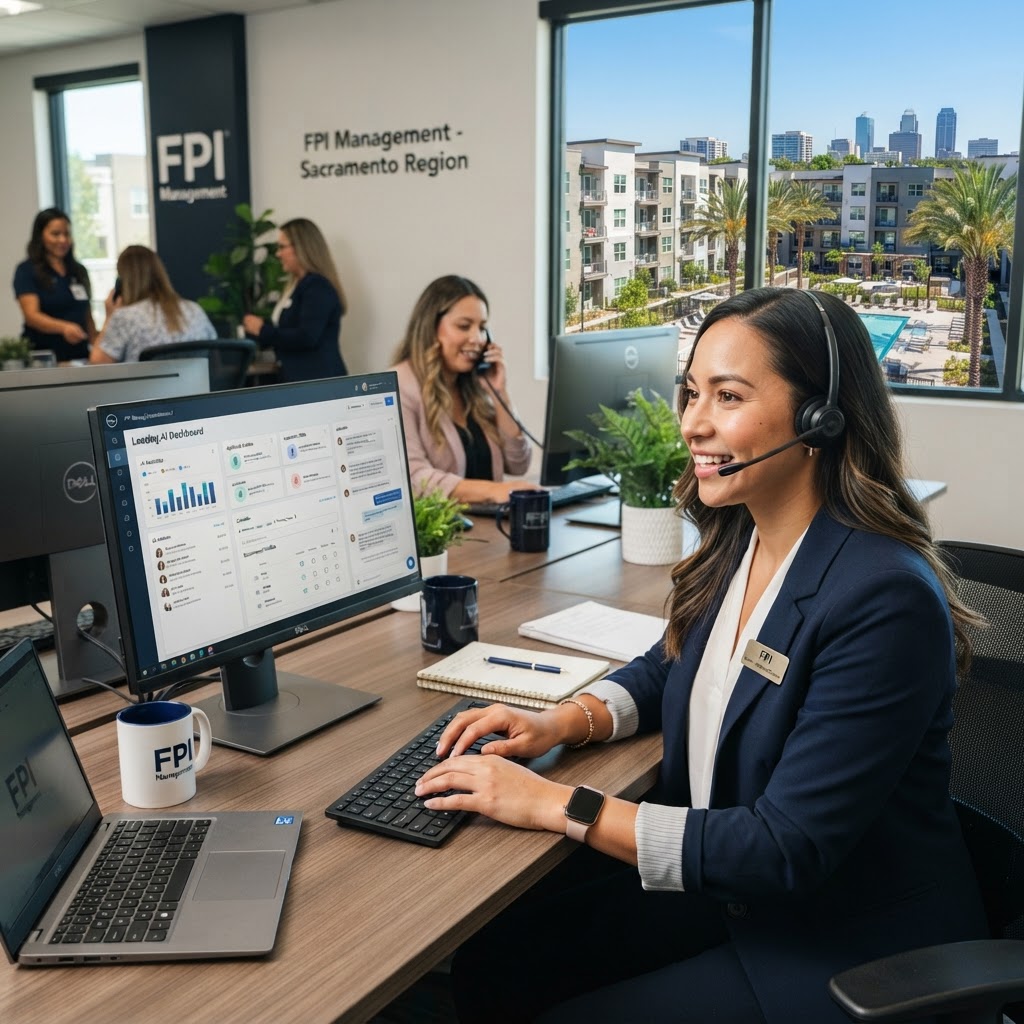
For multifamily regional directors and onsite teams in Sacramento—particularly those steering large institutional portfolios like FPI Management—the local leasing landscape requires intense vigilance. Following a wave of new deliveries across Northern California, regional vacancy has settled around 6.7% (Kidder Mathews), with average rents hovering near $1,818 to $1,895 for two-bedroom units (Realtor.com, Rent.com). More tellingly, roughly 39% of rental listings in the Sacramento metro have leaned on concessions to win prospects (Rental Beast).
When renter choices expand, the margin for operational drag evaporates. Yet, many onsite teams are bogged down by the tools meant to support them.
The Failure of Dead Systems
The prevailing issue in multifamily technology isn’t a lack of software—it is that existing platforms are fundamentally static. Traditional property management systems and legacy CRMs resemble digital filing cabinets: rigid phone trees, unmonitored "contact us" forms, and voicemail boxes where inbound interest goes to expire.
When an apartment seeker in Midtown or Natomas reaches out after touring another property at 6:30 PM, they encounter a dead interactive voice response (IVR) or an unanswered phone. In an era where 40% or more of inbound multifamily inquiries occur outside standard office hours, dropping callers into a dead voicemail queue creates friction that marketing concessions cannot offset. Every unreturned call is effectively an abandoned lease.
Leasing is inherently alive. It consists of fast-moving, high-intent moments: a prospect asking detailed questions about pet rent and immediate move-in dates, a conversation turning into a scheduled tour, or an application status updating across the desk. Leaving teams anchored to static databases forces leasing agents to spend their mornings playing phone tag rather than closing active leads.
Breathing Real-Time Motion into Sacramento Portfolios
Addressing this bottleneck requires transforming passive software into an active participant. Instead of storing missed opportunities as unread notifications, an AI leasing receptionist brings real-time responsiveness to portfolio operations:
- Immediate Engagement: When a prospect calls, the interaction begins instantly. There are no static menus or delays; the system conducts an organic, informed dialogue tailored to the specific asset.
- Direct Qualification & Booking: The assistant handles nuances—discussing floor plan availability, deposit criteria, and parking policies—before autonomously booking the tour directly onto onsite calendars.
- Dynamic Status Progression: Rather than creating a dead inbox task, the assistant progresses the lead immediately through the leasing funnel, synchronizing updates so onsite teams walk in to confirmed tours rather than raw callbacks.
For operators managing thousands of units across Sacramento, streamlining these micro-moments preserves operational momentum. When technology moves work forward at the exact second an interaction occurs, onsite teams are freed from manual data entry and can focus on personal prospect tours and resident retention.
Lease Tab helps multifamily operators bring this level of responsiveness to their portfolios, ensuring no leasing opportunity is lost to a static inbox.