The Portland multifamily landscape has shifted from the volatility of the early 2020s into a period of stabilization, but for property managers, the pressure has not subsided. According to the Spring 2026 Apartment Report from Multifamily NW, vacancy rates in the Portland-Vancouver metro area have settled around 5.86%. While this is a recovery from previous highs, average rent growth remains nearly stagnant, with Zillow reporting a median rent of $1,699 and some submarkets seeing year-over-year declines.
In this renter-favoring environment, the cost of a missed lead is higher than ever. In submarkets like Hillsboro, where Intel’s restructuring has pressured demand, effective rent growth has dipped as low as -5.4%. When supply is ample and demand is localized, the speed of response becomes the primary differentiator between a signed lease and a unit sitting vacant for another 30 days.
The High Cost of the Voicemail Loop
For many Portland operators, the bottleneck isn't a lack of interest; it is the inability to capture it. Industry data suggests that up to 50% of leasing inquiries go unanswered because staff are occupied with tours, maintenance coordination, or administrative tasks. In a city where the median monthly income is approximately $5,470, prospects are often high-earning professionals who expect immediate, digital-first interactions. If a caller hits a voicemail while inquiring about a unit in Northwest Portland—where vacancy recently hit 7.01%—they will likely move to the next listing before your team can return the call.
AI as a Practical Utility, Not Hype
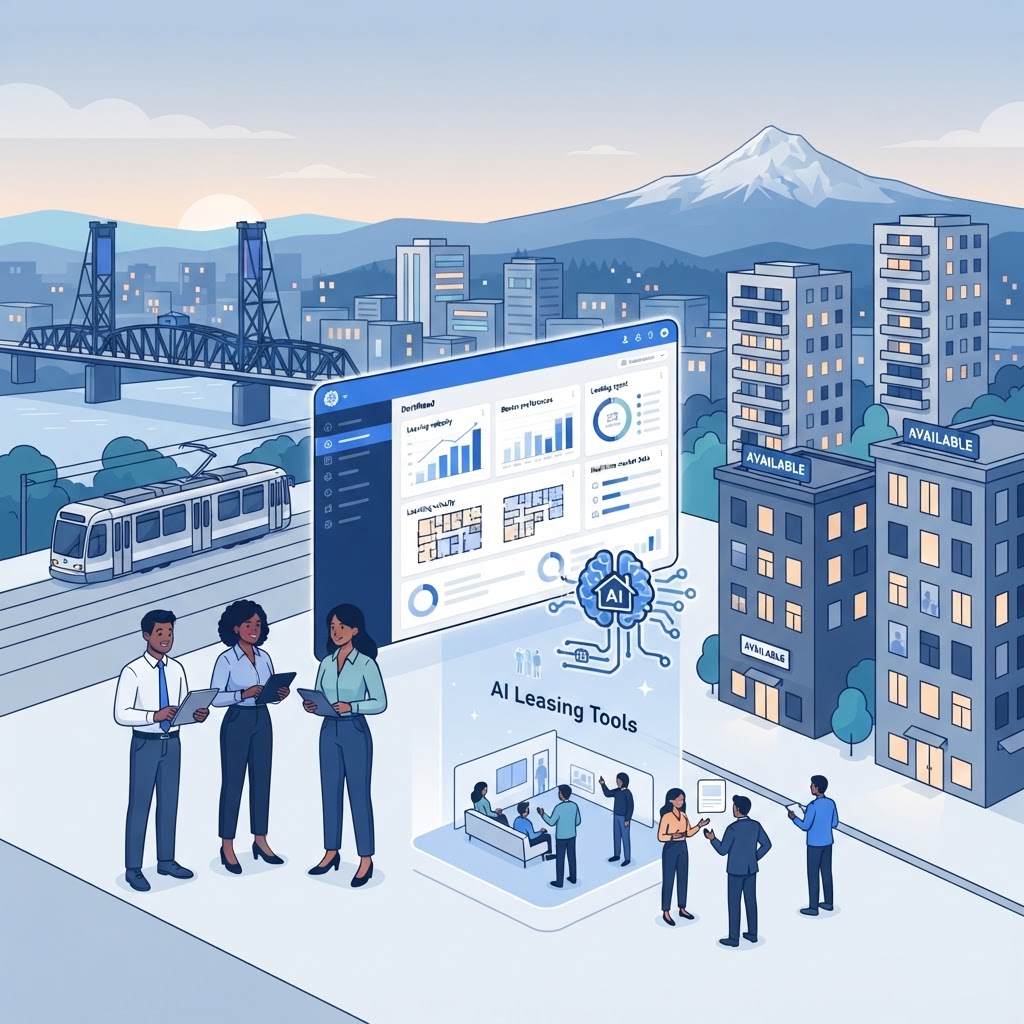
While the Portland City Council has recently debated bans on AI for rental price-setting, the use of AI for leasing reception remains a compliant and essential tool for operational efficiency. Unlike price-fixing algorithms, an AI leasing receptionist acts as a digital extension of the leasing office. It handles the high-volume, repetitive tasks that typically bog down onsite teams:
- Instant Inquiry Response: Answering common questions about pet policies, parking availability, and utility responsibilities 24/7.
- Automated Tour Scheduling: Syncing with property calendars to book tours without manual back-and-forth.
- Lead Qualification: Ensuring that prospects meet basic income and credit requirements before they ever reach a human agent.
By automating these touchpoints, operators can reduce their cost-per-lease and allow their onsite teams to focus on the high-value human interactions that close deals. In a market where concessions are becoming more common to attract tenants, maintaining a lean, responsive operation is the most sustainable way to protect Net Operating Income (NOI).
As Portland continues to absorb new supply and navigate shifting employment trends, the properties that win will be those that treat every phone call as a critical asset. Implementing a tool like Lease Tab ensures that no prospect is left waiting, allowing your team to focus on providing the local expertise that Portland renters value.